No account or credits
Type a prompt and generate. No email, account, credit card, or paid credit pack is required. The generator runs directly on the page.
Upload a reference, describe the change, choose a frame, and generate online for free. No signup or paid credits required.
Shared anonymously in Examples by default · prompt-only requests are public · reference-image requests stay private
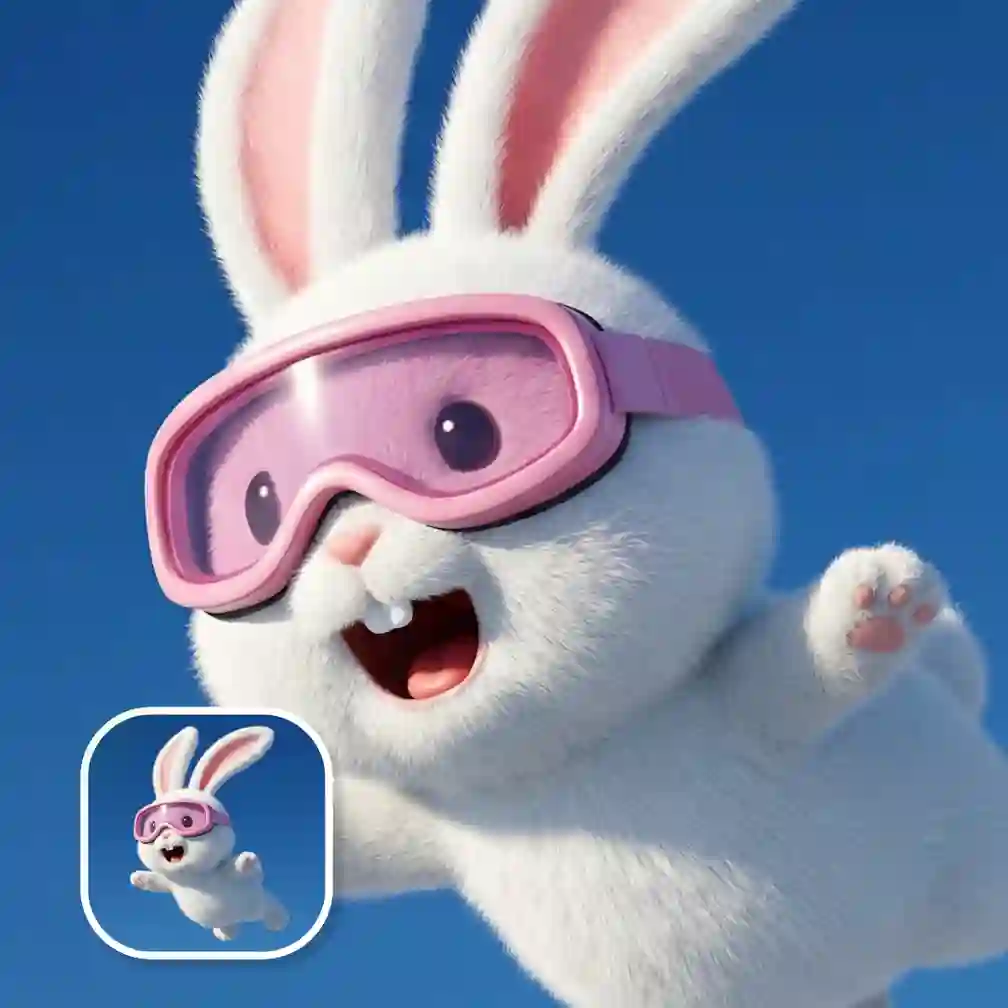
Generate the same person, pet, or character across unlimited images — without losing the face. Then turn it into a 4-second video.
Type a prompt and generate. No email, account, credit card, or paid credit pack is required. The generator runs directly on the page.
Describe the subject, composition, lighting, and style. Generate once, then adjust the prompt or reference image when a detail needs another pass.
New image generations download as PNG files with no FreeArtGen watermark. Save the file promptly because provider-hosted result URLs are temporary.
Choose 1:1, 4:3, 3:2, 16:9, 9:16, or 4:5 for square posts, classic frames, landscapes, screens, stories, and portraits.
Sexually explicit content, sexualized minors, non-consensual deepfakes, hate, and targeted harassment are prohibited and filtered before generation.
The free service allows 5 image generations per IP address each hour. Automated use and attempts to bypass the limit are prohibited.
Upload one clear reference image that shows the subject or composition you want to guide. A focused input gives the generator a clearer visual job.
Describe what should change rather than repeating everything already visible. Name the new setting, medium, lighting, camera angle, palette, and any details that must remain recognizable. Keep the request concrete and remove conflicting instructions.
Keep the source orientation when composition matters. Use 4:5 for portraits, 1:1 for icons, and 16:9 for wide scenes. Pick the ratio before generating so the subject is composed for the final use.
The reference guides appearance and layout, but it does not lock exact identity, pose, text, hands, logos, or object placement. Generate a few variations and treat the strongest one as a visual draft. Check the full image, not only the main subject.
Save the strongest result as a watermark-free PNG. Fair-use limits apply, and the service is for personal and experimental use.
Compare finished results with the prompts behind them, then bring one back here as your starting point.
Explore the collection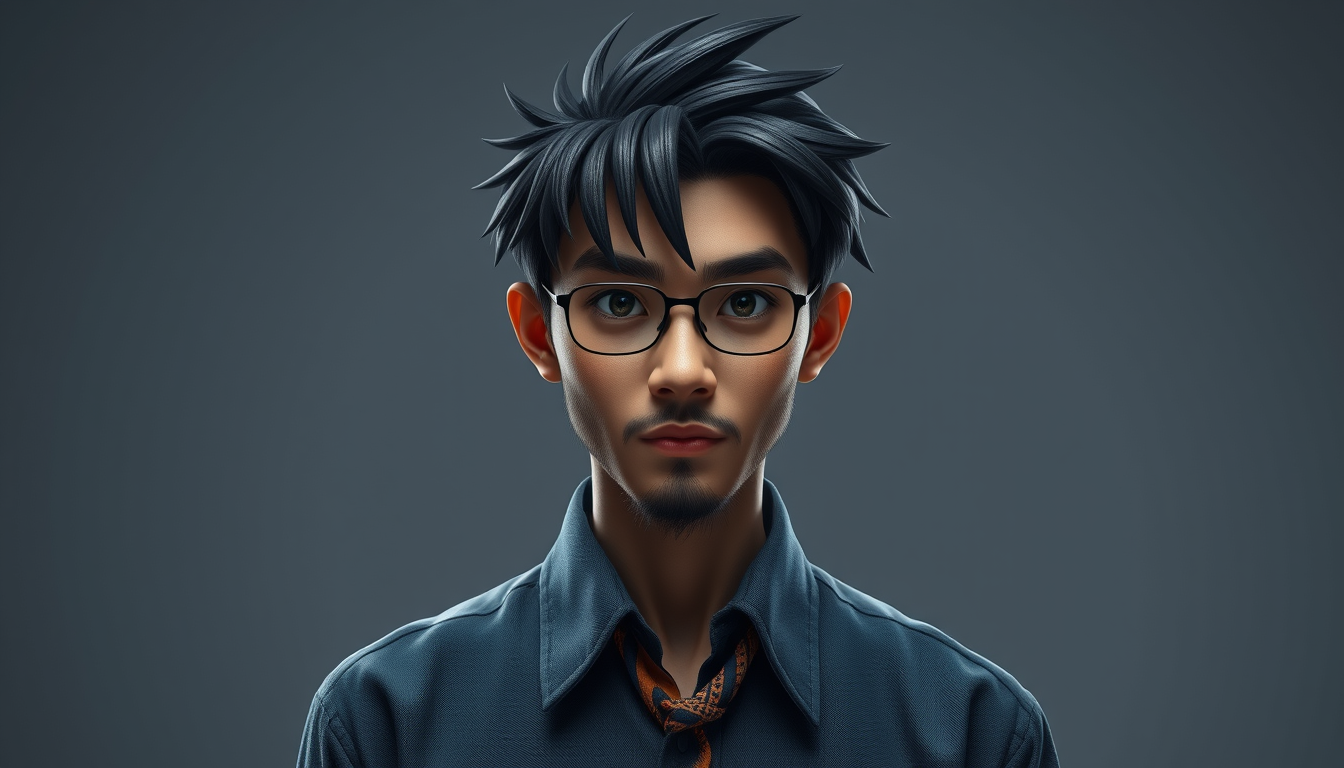
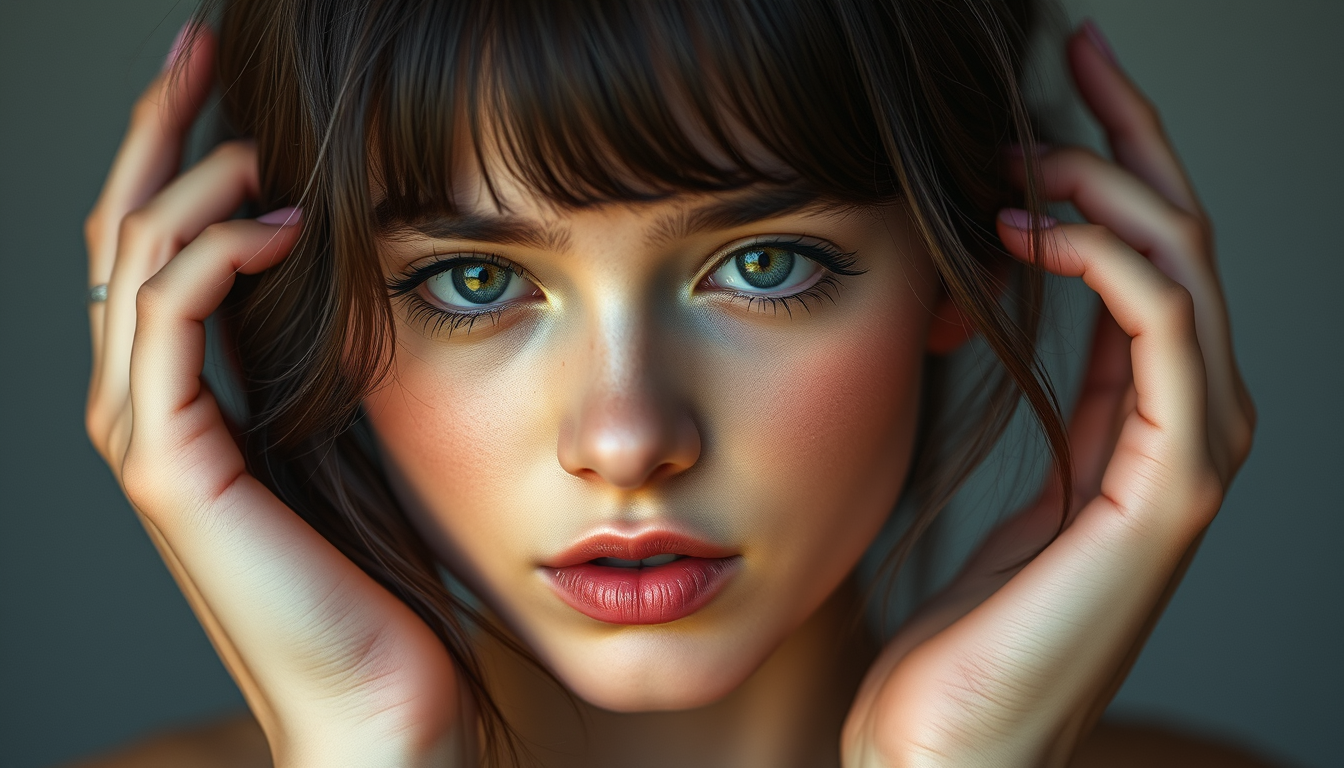
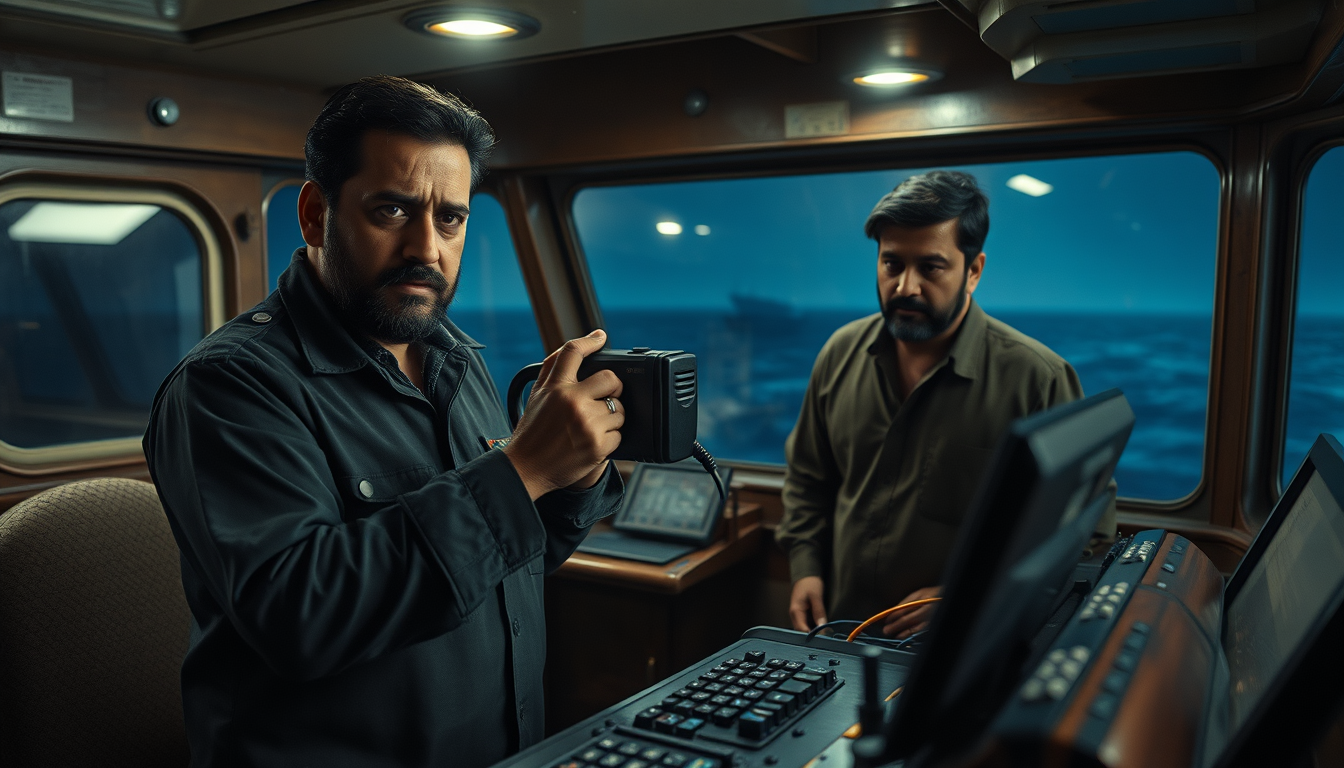
The AI Image Generator from Image is built for people who want to restyle a photo, redirect a composition, or explore a new visual treatment without rebuilding the scene from text alone. Upload one clear reference image that shows the subject or composition you want to guide, then describe what should change rather than repeating everything already visible. Name the new setting, medium, lighting, camera angle, palette, and any details that must remain recognizable. You can use the tool online without an account, card, or paid credits. Fair-use limits keep the shared service available, so the practical goal is a focused prompt and a small number of useful variations rather than endless random generation.
Prompt structure matters more than a long adjective list. Describe what should change rather than repeating everything already visible. Name the new setting, medium, lighting, camera angle, palette, and any details that must remain recognizable. Useful starting points include “Restyle this street photo as a quiet rainy-night illustration with blue neon reflections,” “Keep the person centered but change the wardrobe to a linen travel outfit in warm window light,” and “Turn this room into a calm coastal interior with pale oak, woven textures, and morning sun.” Keep the source orientation when composition matters. Use 4:5 for portraits, 1:1 for icons, and 16:9 for wide scenes. Choose the frame before generation because a prompt composed for a square crop behaves differently from one intended for a wide scene or vertical page.
The page adds reference-guided transformation language around your request. That keeps the uploaded image useful as visual context while leaving your prompt focused on the intended change. This silent prompt shaping supplies a consistent visual baseline; you only need to describe the subject, the change, and the details that carry the idea. If the first result is close, revise one variable at a time—lighting, palette, viewpoint, material, or background—so you can tell which instruction improved the image.
The reference guides appearance and layout, but it does not lock exact identity, pose, text, hands, logos, or object placement. Generate a few variations and treat the strongest one as a visual draft. Generated images can also struggle with tiny text, repeated patterns, hands, fine geometry, and exact layout. Inspect important details at full size and plan on normal cleanup when the image will be placed into another design.
Each new image downloads as a watermark-free raster PNG. Available shapes include square, portrait, landscape, and vertical formats, but the file is not an editable vector or layered source document. FreeArtGen makes no ownership claim, while the Service remains limited to personal and experimental use and does not grant a commercial license. That makes this page most useful for visual exploration, private projects, references, and early drafts where speed and a clear direction matter more than locked production accuracy.
Upload one clear reference, describe the change you want, choose an aspect ratio, and generate. Write the desired direction rather than a complete inventory of the source.
No. The image guides the generation, but exact identity, pose, text, hands, and layout are not locked across results.
Use a sharp image with one clear subject, readable lighting, and little visual clutter. A source close to the final framing usually gives more controllable results.
Yes. No account, card, or paid credits are required. Fair-use limits are 5 images per IP per hour.
New image downloads are watermark-free PNG: 1:1 1024×1024, 4:3 1152×896, 3:2 1152×768, 16:9 1344×768, 9:16 768×1344, and 4:5 896×1152.
Reference images are sent to Runware for inference and are not stored on FreeArtGen's servers. Prompt text and anonymous generation metadata may be retained for up to 90 days.
The Service permits personal and experimental use only. FreeArtGen makes no ownership claim but does not grant a commercial license.